Into the High Meadows: Gathering Alpine Goodness the Old Way
Today we journey into foraging across Alpine meadows, forests, and stony ridgelines, relearning patient ways that kept mountain families nourished for centuries. We’ll track seasons, read slopes, and fill breathable baskets with mushrooms, berries, and herbs—always gently, legally, and gratefully. Expect practical tips, cautionary tales, and simple field recipes, plus stories from shepherds and grandmothers whose quiet wisdom turns every walk into a generous pantry. Bring curiosity, respect, and an appetite for discovery.

Reading the Mountains: Seasons, Elevation, and Microclimates

Alpine foraging begins with attention, not a basket. Where the sun lingers, snow retreats sooner, and tender shoots answer first. North slopes cradle moisture, while wind-scoured ridges surprise with hardy herbs. Elevation reshuffles timing by weeks, sometimes hours. Learn the choreography of meltwater, rock shade, and late frosts; then your steps will align with berries blushing, mushrooms pushing, and nettles waking. The better you read terrain and light, the kinder nature writes back.

Respectful Harvest: Safety, Law, and Stewardship

The mountains reward humility. Correct identification, modest harvests, and local regulations protect both you and the living pantry you love. Carry permissions where required and learn protected zones by heart. Touch plants gently, cut cleanly, and leave roots when species rely on perennial crowns. Pack a small brush, field guide, and whistle. If doubts creep in, celebrate the encounter, take a photograph, and walk away. There will always be another ridge, another season, another generous patch.

Field Identification without Guesswork

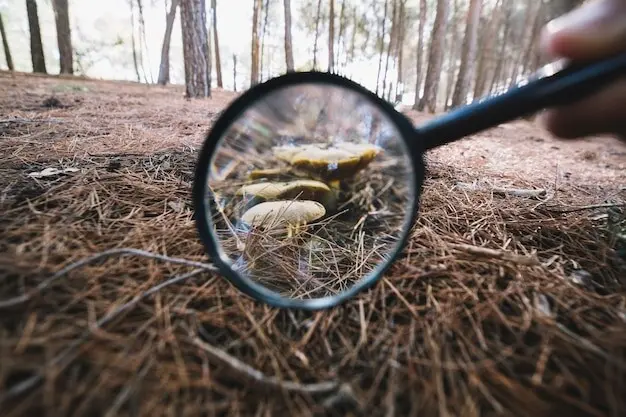
Rely on multiple markers: habitat, smell, spore color, bruising reaction, and companion trees. Memorize dangerous look-alikes, practicing with photographs and seasonal keys. Taste is never a test with mushrooms; patience is. Cross-check at least two trusted sources before any bite, and remember that some edibles disagree with certain bodies. When shadows grow long, colors deceive; schedule critical identifications in good light. A magnifier, small ruler, and measured skepticism often prove more valuable than enthusiasm.

Leave-No-Trace Baskets

A woven basket breathes, preserves shape, and returns spores as you walk. Trim with a clean blade instead of yanking, avoid trampling surrounding moss, and spread your pick across a patch so regrowth remains vigorous. Replace overturned stones, scatter leaf litter lightly, and close small holes your boots create on damp slopes. Carry twine to secure shifting loads, preventing spills that invite disturbance. Measure success not by weight gathered, but by how invisible your passing remains.

Iconic Finds of the High Country

Certain gifts feel like handshakes from the range itself: bilberries staining fingers blue, porcini with buttery pores, juniper berries pricking the air, and wild thyme crunching underfoot. Nettles bite kindly when steamed, sorrel sparks soups, and chanterelles glow like lanterns under larch. Each requires timing, habitat sense, and a respectful hand. Bring stories home along with flavor—memories of thunder far off, cowbells on another slope, and your careful footsteps threading between stones and roots.

Mushrooms after Warm Rain

When thunder warms the forest floor, mycelium wakes decisively. Seek porcini near spruce and fir, chanterelles in larch duff, and hedgehogs along mossy tongues. Learn cap textures, pore patterns, and scents—iodine, fruit, or nut. Avoid boletes that blue violently or crumble bitter. Brush soil, never wash in the field, and store gills down so they breathe. A child once traded me a secret patch for a story; both of us left richer that day.

Berries along Ancient Paths

Bilberries love edges where light and shelter meet; trailing a historic drovers’ route often yields ribbons of fruit. Lingonberries shine after cold nights, and rowan berries mellow once frost kisses them. Carry a soft pouch to prevent crushing and keep stems attached for longevity. Taste patiently; some shrubs share neighbors that bitter the tongue. Remember birds spotted the feast first; pick modestly and thank the hedge. Jam can wait—what matters most is tomorrow’s returning song.

Hands and Simple Tools

{{SECTION_SUBTITLE}}
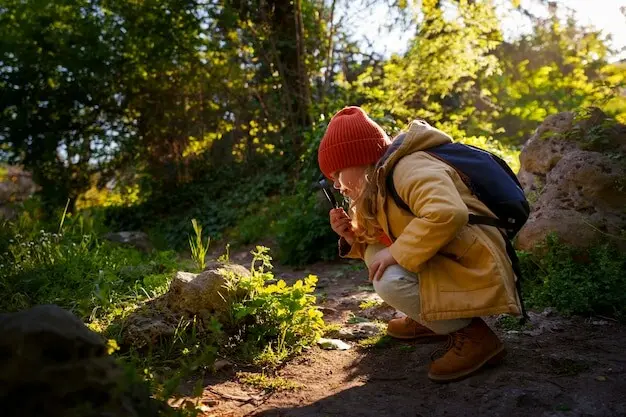
The Trusty Knife and How to Use It
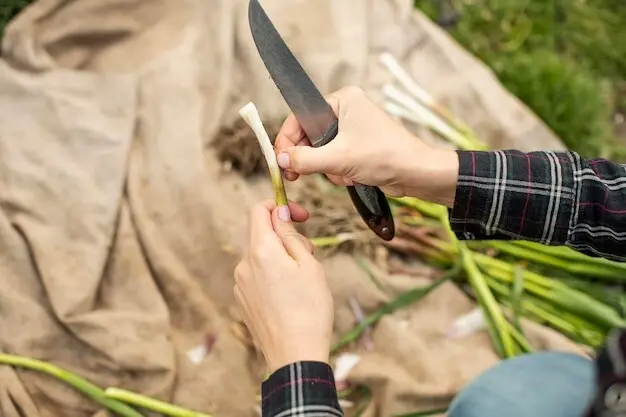
A blade earns its keep by staying sharp and staying out of the soil. Cut stems at a slight angle to shed moisture, trim roots above ground, and never pry stones. Practice one-handed closing away from fingers. Wipe sap with a bit of grass, then oil lightly at day’s end. Carve small stakes to mark fragile moss, if needed, and remove them quietly later. The right knife, carried daily, becomes both metronome and compass for careful work.

Baskets that Breathe

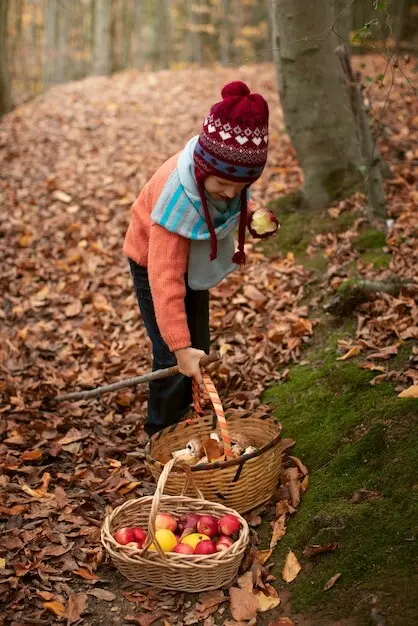
A basket’s weave matters as much as capacity. Wider gaps suit mushrooms, allowing spores to drift, while tighter patterns cradle berries without bruising. Pad with bracken or clean leaves, never plastic, to prevent sweating. Keep different finds in nested pouches, separating aromatics from delicately flavored greens. Sling the handle low to balance on steep traverses. My grandmother’s willow creaked like an old door, reminding me with every step that patience preserves more than any lid ever could.

From Meadow to Meal: First Preparations

What you do in the first hour shapes taste and safety. Sort on a cloth, separating mud-lovers from the delicate; trim before rinsing to minimize waterlogging. Keep berries cool inside damp linen and shade caps under aerated covers. Avoid sealed plastic that creates sweat and spoilage. Blanch nettles promptly, then shock in cold stream water if safe. Season lightly beside the trail—salt, butter, thyme—and taste how place speaks. Simple heat, simple hands, honest flavors remembered.

01

Cleaning in the Field

Dirt dulls flavor and hastens decay. Use a soft brush to ease soil from gills and stems; a pocket pick teases out stones without tearing flesh. Pinch away bruised spots early to prevent off-notes traveling through a basket. Swish greens only if stream quality is unquestionable, and dry carefully with cloth. Keep a dedicated cloth for aromatics, or your berries will inherit thyme forever. Cleanliness outdoors is quiet discipline, earned one mindful gesture at a time.

02

Keeping Things Cool without Ice

Alpine air is a generous refrigerator if you court shade, breeze, and evaporation. Nest containers in a damp cloth, hang them where wind slips through firs, and avoid direct rock contact during heat. A shallow pit lined with clean leaves tempers warmth until sunset. Rotate positions in your basket as you descend, placing heat-sensitive herbs nearer airflow. Always know when to head down sooner; flavor and safety improve when pride yields to practical mountain timing.

03

Simple Recipes beside the Trail

Carry a tiny pan, salt, and butter. Sauté chanterelles until their water sighs away, scatter wild thyme, and finish with a squeeze from a lemon you tucked into a sock to prevent bruising. Stir bilberries into warm porridge with honey borrowed from a valley neighbor. Nettles wilted with garlic become sandwiches for the descent. Share a spoon and a story with companions; meals taste brighter when laughter ripples into the hills like afternoon light across scree.
Mapping Knowledge and Building Community

Darizentonovikirapexi
Privacy Overview

This website uses cookies so that we can provide you with the best user experience possible. Cookie information is stored in your browser and performs functions such as recognising you when you return to our website and helping our team to understand which sections of the website you find most interesting and useful.