
Cabins That Breathe With the Mountains
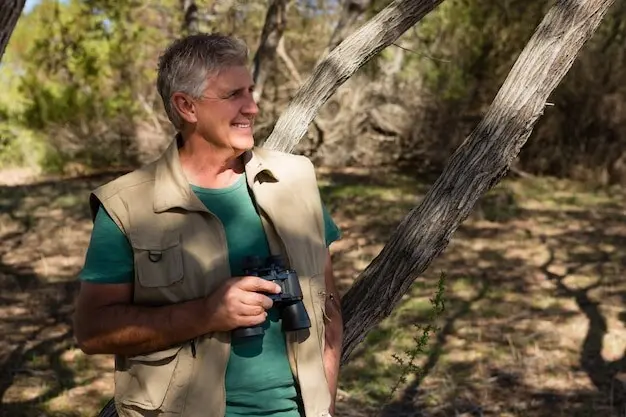
Today we’re diving into Off-Grid Cabin Design for a Slower Mountain Life, celebrating practical independence and gentle rhythms. Expect grounded advice on siting, materials, renewables, and daily rituals, woven with field stories and proven checklists. Bring your sketches and questions; share what slows your breath at altitude, and subscribe for continuing, season-by-season guidance shaped by real backcountry realities.

Foundations of Independence

Begin by reading the land with patience: sunlight angles, prevailing winds, snow drifting, soil stability, water presence, and access in shoulder seasons. Aim for a modest footprint aligned to contours, maximizing passive gains while preserving trees and habitats. Embrace slower timelines that invite neighbors’ wisdom, careful permitting, and resilient choices you will welcome during storms, outages, and those unforgettable star-thick nights.

Choosing the Land

Look for varied microclimates on a single plot: a sunny bench for winter vegetables, a sheltered grove for tents, and a ridge break for wind protection. Map avalanche paths and fire history, confirm year-round access, and test soil percolation before committing money, hopes, and long-haul logistics.

Orienting for Light and Weather

South-facing glazing soaked by low winter sun, shaded by precise overhangs in summer, can transform comfort and reduce loads. Nestle entrances behind natural windbreaks, angle roofs to shed snow safely, and stage a mudroom where boots, skis, and wet dogs pause before crossing warm floors.

Rights, Access, and Stewardship

Verify easements, water rights, and seasonal road maintenance, then plan for self-reliance when plows cannot reach you. Choose low-impact pads, composting strategies, and bear-proof storage. Practice Leave No Trace and neighborly courtesy, because healthy relationships often solve emergencies faster than any sophisticated piece of gear.

Harnessing Sun, Wind, and Water

Powering a remote refuge asks for elegant simplicity. Size arrays to true loads, prioritize efficient appliances, and keep wiring short and tidy. Add a small turbine only where winds are clean, and pair renewables with disciplined habits, hydronic distribution, surge protection, and seasonal maintenance that prevents avoidable failures.

Solar That Suits Quiet Living

Choose lifepo4 batteries for deep cycles and cold tolerance, monitor state-of-charge with clear dashboards, and mount panels to shed rime without shading precious winter angles. Build redundancy with fuses, spare breakers, and manual bypasses, and practice monthly drills that normalize troubleshooting before snowstorms test your patience.

Micro Wind with Mountain Gusts

Mount tall and far from turbulence, or skip wind entirely if canyons shred flow into chaotic eddies. When viable, use guyed towers, careful grounding, and braking strategies. Log wind with a temporary mast first, confirming real capacity before pouring concrete and commitments into the hillside.

Water Independence

Blend rain catchment, a protected spring, and an above-freeze cistern with gravity-fed distribution that keeps showers flowing when pumps rest. Heat lines, insulate vaults, and secure lids against curious wildlife. Schedule tests for bacteria and minerals, and keep backup filtration ready when freshets cloud the source.

Timber, Stone, and Local Choices

Source beams from regional mills, not distant catalogs, and celebrate sawn faces that tell the story of nearby forests. Pair dense wood with stone plinths for mass and durability. Reduce embodied carbon, shorten supply chains, and teach future guests where each visible element originated.

Foundations for Frost and Slope

Respect frost depth, drain relentlessly, and decouple wood from splash zones. Piers and grade beams can tread lightly on unstable soils. Incorporate French drains, swales, and terracing that move water safely, protecting paths and gardens while preserving the hillside’s quiet ability to breathe and absorb storms.

Envelope for Silence and Snow

Design a steep, simple roof that dumps snow predictably away from doors and windows. Air-seal with care, then insulate beyond code to calm winds and stabilize temperature. Triple-pane glazing and solid doors invite long conversations while storms parade outside, muffled by dense, well-considered layers.

Warmth, Ventilation, and Quiet Comfort

Masonry Heaters and Efficient Stoves

Batch-burn designs deliver long, even warmth from a clean, hot firebox, storing heat in mass that coasts through the night. Size the firebox to your square footage, dry your wood faithfully, and keep a tiny propane backup for rare, sick-day mornings.

Insulation and Airtightness Without Stale Air

Batch-burn designs deliver long, even warmth from a clean, hot firebox, storing heat in mass that coasts through the night. Size the firebox to your square footage, dry your wood faithfully, and keep a tiny propane backup for rare, sick-day mornings.

Natural Cooling and Summer Shade

Batch-burn designs deliver long, even warmth from a clean, hot firebox, storing heat in mass that coasts through the night. Size the firebox to your square footage, dry your wood faithfully, and keep a tiny propane backup for rare, sick-day mornings.

Small Systems, Big Resilience

Dependable comfort comes from modest, well-understood systems maintained by the people who use them. Keep plumbing simple, wiring labeled, and spares organized. Celebrate low-tech backups—candles, gravity taps, wool blankets—and design for graceful degradation so surprises become stories, not crises, even when storms cancel plans for entire weekends.

Composting Toilets Done Right

Balance browns and greens, allow adequate rest time, and respect pathogen die-off curves documented by peer-reviewed research. Vent stacks should be straight and warm to draft. Keep logs, train guests kindly, and remember: privacy, dignity, and stewardship can absolutely coexist in a small room.

Greywater That Nurtures Soil

Route sink and shower water to mulch basins sized for peak use, filtering through wood chips before reaching thirsty shrubs. Use plant-friendly soaps, winterize diverter valves, and keep inspector-ready diagrams. Over time, watch terraces green faster, a quiet dividend paid for thoughtful plumbing and patient care.

Rituals of a Slower Mountain Day

A calm life is designed, not merely discovered. Shape rooms that invite pauses: a window seat for first light, a table that welcomes maps and wool, hooks that honor damp coats. Let circulation encourage conversation, and honor shared chores that turn maintenance into intimacy and belonging.

Morning Light and Unhurried Beginnings

Set kettle and grinder within reach of a window that frames peaks, so daybreak becomes an unmissable habit. Warm toes with a rug, keep journals ready, and use soft switches that ramp to brightness slowly, giving birdsong and steam a chance to choreograph the opening scene.

Work Nooks and Craft Corners

Design compact desks with deep views and strong daylight from the side, not the screen-facing front. Store tools openly so projects begin without friction. Provide a stool for sharpening, a pegboard for thread and bits, and a habit of ending with a tidy, welcoming surface.

Gathering, Storytelling, and Rest

Anchor evenings around a wide hearth or sturdy table, where soup simmers and card games stretch happily past planned bedtimes. Keep extra chairs, warm lighting, and a blanket within reach. Post a note inviting guest recipes, trail stories, and quietly treasured photographs from earlier wanderings.

Darizentonovikirapexi
Privacy Overview

This website uses cookies so that we can provide you with the best user experience possible. Cookie information is stored in your browser and performs functions such as recognising you when you return to our website and helping our team to understand which sections of the website you find most interesting and useful.